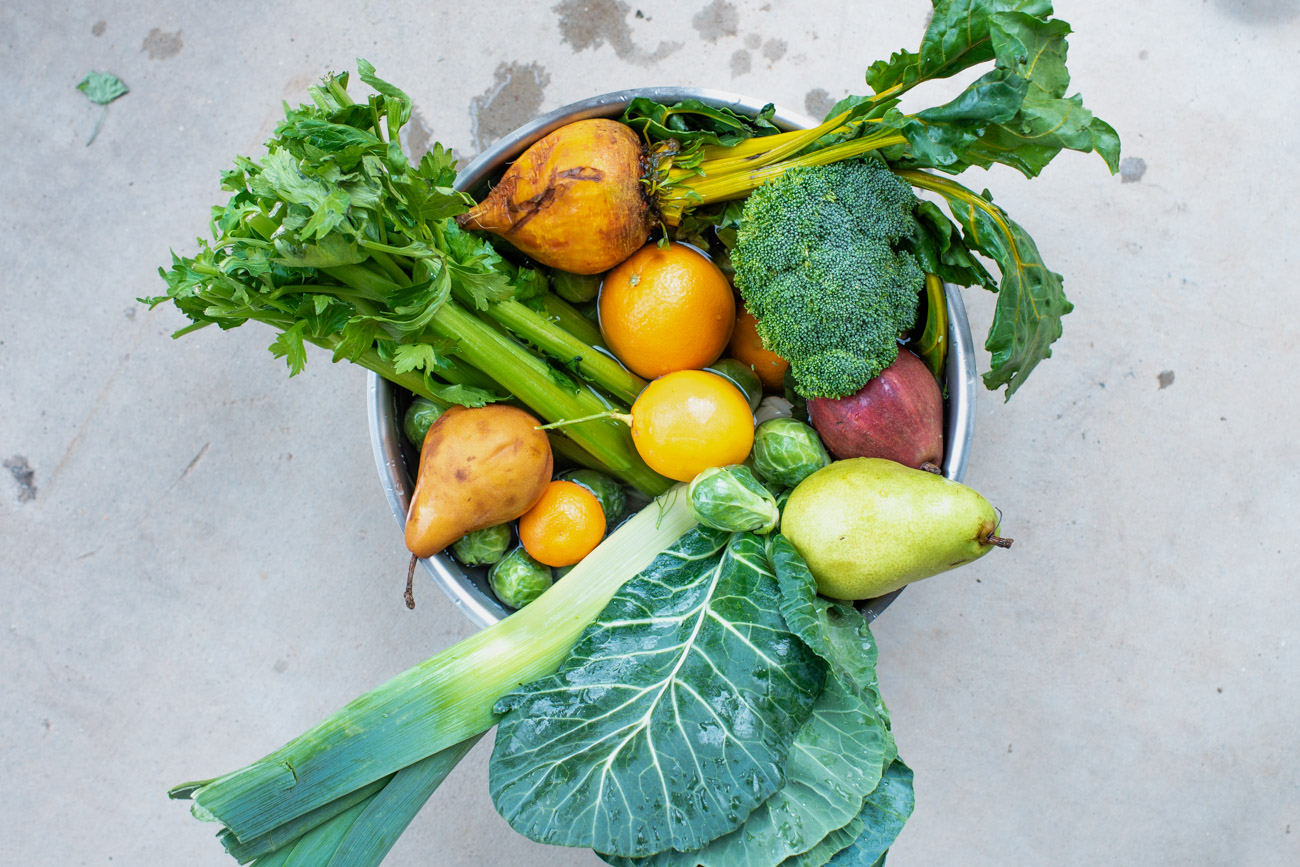
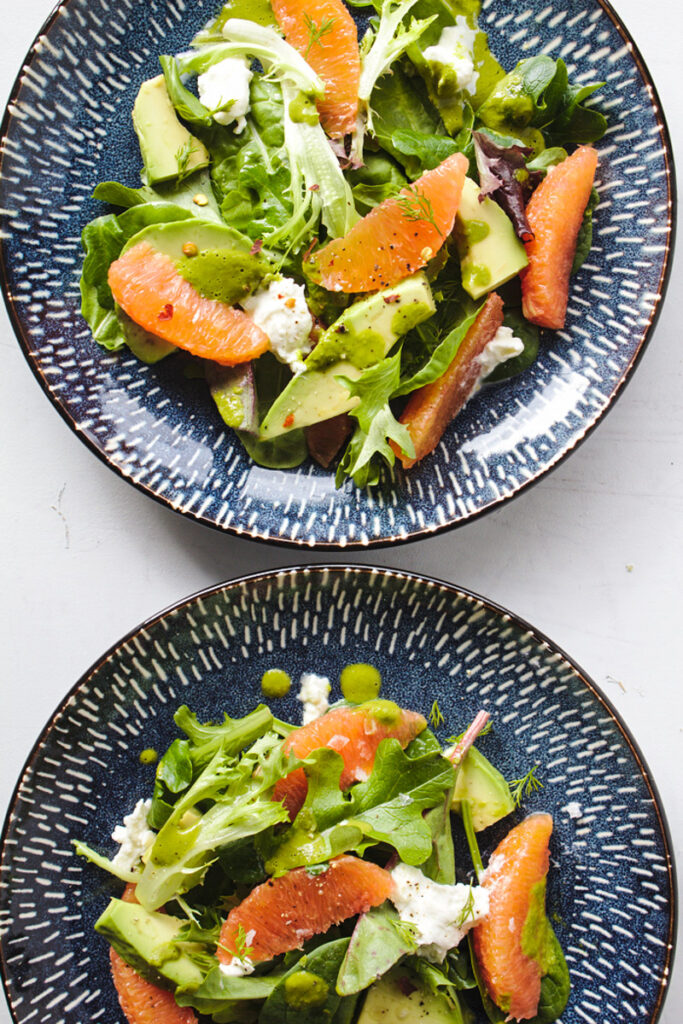
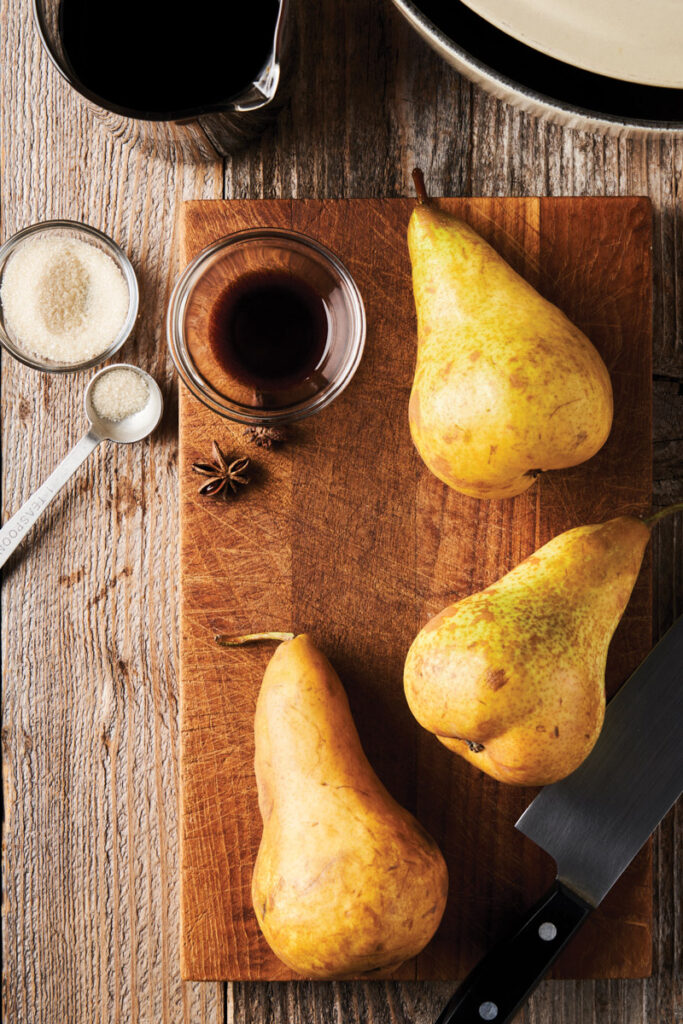
Pears have a richer aroma and texture than their apple relatives that is both more melting and grittier. Due to this quality, they were once called butter fruit. Pear is native to the Middle East, though 95% of American-produced commercial pears are grown in Washington, Oregon, and California. Eat sweet, melting, and juicy pears out of hand. Firm and crisp varieties are best enjoyed canned and pickled. Pears may also be juiced, pureed, used in salads, brandied, frozen, dried, made into preserves, or distilled into liqueur or wine. To prevent cut pears from browning, sprinkle with lemon juice. The two main types of pears are those that change color when ripe (Bartlett) and a winter pear where color change when ripe is negligible (Comice). The latter winter pear, ripens later and is often featured in gift boxes of fine fruit.
Unlike most fruits, pears are best ripened off the tree. Select firm–not hard–pears with a noticeable aroma. Ripen at room temperature in a closed paper bag until the flesh at the stem end yields to gentle thumb pressure. Since pears soften from the inside out, a pear that is really soft on the outside is overripe. Never store a pear sealed in plastic. Without freely circulating oxygen, the core will turn brown and brown spots will develop under the skin. Favor organic when possible, as commercial pear orchards typically receive nine applications of pesticides per season as well as routine fungicides and herbicides.